

Self Emptying Robot Vacuum For Pet Hair
If you have pets, it's a good option to pick a robotic vacuum with a large dust bin that can store lots of pet hair and clumps. Look for a robot vacuum that has an object avoidance feature that is able to detect and avoid everyday objects like cables, socks and toys.
What is a self emptying robot vacuum?
Self-emptying robot vacuums are a floor cleaning appliance that automatically empties the debris it collects into its docking station. The docking station is equipped with a dust bag that is designed to hold pet hair, dirt, and other debris that is gathered by the robot as it cleans your home. After the dust bag is filled, take it from the base and replace it. This feature removes the need to empty a robot's dust bin after every use, saving you time and energy. It also stops dust from getting out of the dustbin before being blown back into the air which is helpful for families with allergies to household items.
Whether a self-emptying robot vacuum is suitable for you is contingent on a variety of aspects, including your home's layout and floor type. If you have a lot carpeting in your home, you should choose a robot vacuum with enough power to clean the carpet. In other words, you may find yourself having to vacuum your floors more frequently on a regular every day. If you have pets at your home, you'll also want to choose a model with the latest navigation technology. This will help you avoid pet messes as well as other problems.
Certain self-emptying robot vacuums can even be programmed to automatically empty their onboard dustbins into the docking station after a set number of minutes which means you don't have to manually do it every time. It's important to remember that emptying robot vacuums is quite loud.
Additionally, it's crucial to check your robot vacuum regularly for any pet hair that may have become stuck to the brushroll or wheels. This could hinder the robot's ability to effectively clean your home, and could also block the filter and reduce suction power. Luckily, most robots have clean wheels and brushes which can be easily cleaned and removed with warm water.
Jodhaira Rodriguez is an analyst for product reviews at the Good Housekeeping Institute's Cleaning Lab. She has tested a myriad of floor-cleaning devices such as vacuum mop combo devices and robot vacuums. She has personally tested all the self-emptying robotics in this roundup.
How does a self emptying robot vacuum function?
Self-emptying is one of the latest innovations in the design of robot vacuums. It eliminates one of the major drawbacks of most robot vacuums, which is the requirement to empty the dust bin on board every time you clean. The majority of models that have self-emptying bins have docking stations that include the large vacuum bag. The robot is designed so that it can dispose of its own waste in this larger bin. The process is typically automated and occurs as soon as the robot returns to its dock for recharging and can be done while you're doing literally anything else.
A majority of the top self-emptying robots also have useful features. Some can be controlled by an app that's compatible with your smartphone and allows you to set schedules and other settings and also see a live feed from the robot's camera. Some can automatically detect changes in flooring, such as changing from carpeted to bare floors, and adjust cleaning settings accordingly. These machines also come with advanced features, such as attachments, mapping, and quiet modes.
Self-emptying robotic vacuums can be costly and not for everyone. Before purchasing a product it is essential to look at the advantages and other aspects of this type robot vacuum.
A self-emptying robot is the perfect option for any home that needs some extra help in to keep their home clean. It will save time for homeowners who are busy and don't have time to stop during their daily chores and empty the trash bin on board. You may also be able to run your robot cleaner more often. best robot vacuum and mop for dog hair 's a small step towards the ultimate goal of a completely hands-free cleaning machine. But it's an excellent beginning.
What are the benefits of a self emptying robot vacuum?
Self-emptying robot vacuums are ideal option for pet owners. The most important benefit is that they do away with the need for frequent emptying, which means that you don't have to hover over your robot or worry about running out of bin space. It's also great that you can program your robot to do its job without interference. The efficient process of emptying the base and re-installing bags also reduces dust blowback, which is particularly beneficial if you suffer from allergies.
In addition, a self-emptying robot will generally have a larger base than a standard charging dock, which means that it can hold a larger amount of dirt and other debris. This can reduce the spread of allergens throughout your home, which is a particularly important consideration if you have pets. Pet owners can also benefit from the longer runtime of a robot that cleans itself.
Self-emptying robots will also cut down on the time you spend on maintenance. You won't need to empty your bin as often, but only the base once every couple of weeks. This is an excellent benefit for professionals, parents and those with a busy lifestyle.
It's important to remember that self-emptying robotic vacuums don't provide an answer to all your cleaning problems. Even the most powerful robot vacuums aren't immune to getting stuck under furniture, on thresholds for doors, or in thick rugs. They can also get blocked or catch shoes, clothing or chargers for phones. While a robot able to empty itself can help you out however, you'll still need to clean the difficult-to-access corners and crannies.
Some pets might be afraid of the noise or movement of a self-emptying robot. It is recommended to start slowly, allowing your robot to become accustomed to the noise and movement of it as you drive it around your home.
What are the disadvantages of an automatic vacuum that self-empties?
Robot vacuums that have self-emptying bases make cleaning a lot easier. You don't have to stop the cleaning process at the midpoint to empty the dust bin onboard. Instead you can simply set it and forget about it. This makes them a good choice for busy individuals who need to manage their cleaning while juggling kids work and other tasks. Self-emptying vacuums are not the ultimate in convenience. You still need to empty your robot vacuum regularly.
The majority of self-emptying robot vacuums have very small storage systems, meaning that they must be cleaned more often than traditional models. This is especially true in households where pet hair and other debris build up quickly. Some require emptying every two or three cleaning sessions.
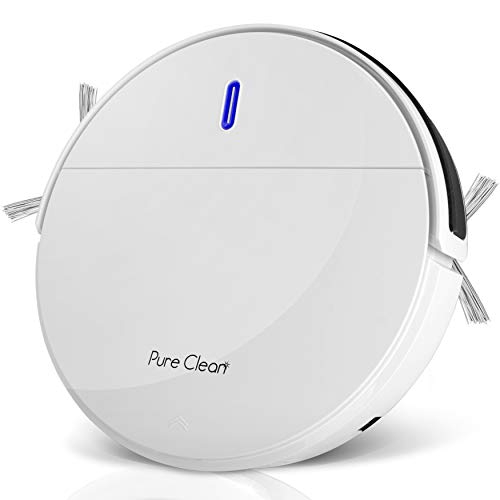
Robotic vacuums may also get stuck on objects or get tangled. This requires human intervention. Certain models claim to use sensors to stay clear of obstacles. However, this is not always the case. They can get stuck on cords, shoelaces and other stray toys.
Another drawback to self-emptying robot is that they are usually expensive. This can be a problem for people who have a tight budget. They also require docking stations which can be difficult to fit into smaller spaces.
In addition, it's important to determine if the added benefits of a self-emptying vacuum is worth the cost. Find out if the model you're considering has a large bin that can handle the needs of your household. Also, be sure to look for other features that are convenient, such as Wi-Fi and smart house connectivity.
Also, it's worth thinking about if you have someone in your family who is susceptible to allergies. Cleaning a vacuum bag full can reintroduce dust into the air, which could trigger asthma and respiratory problems. You should also consider an option that allows you to create zones that are not allowed to enter. This will prevent the robot entering your office or getting too close to antique rugs. Some older models use strips that you have to install, whereas modern robots typically allow you to designate areas that are off limits using their apps.